Introduction
The global casino industry is evolving at an unprecedented pace, driven by rapid technological innovation and shifting player expectations. Modern casinos are no longer just about gaming—they are complex ecosystems designed to deliver immersive entertainment experiences. From luxurious interiors to digital-first platforms, every aspect of casino design now plays a critical role in attracting and retaining players.
In this competitive landscape, innovation is not optional—it is essential. Casino operators are continuously exploring new ways to enhance user engagement, optimize operations, and create visually compelling environments. As a result, advanced technologies such as artificial intelligence and 3D modeling have become central to modern casino development.
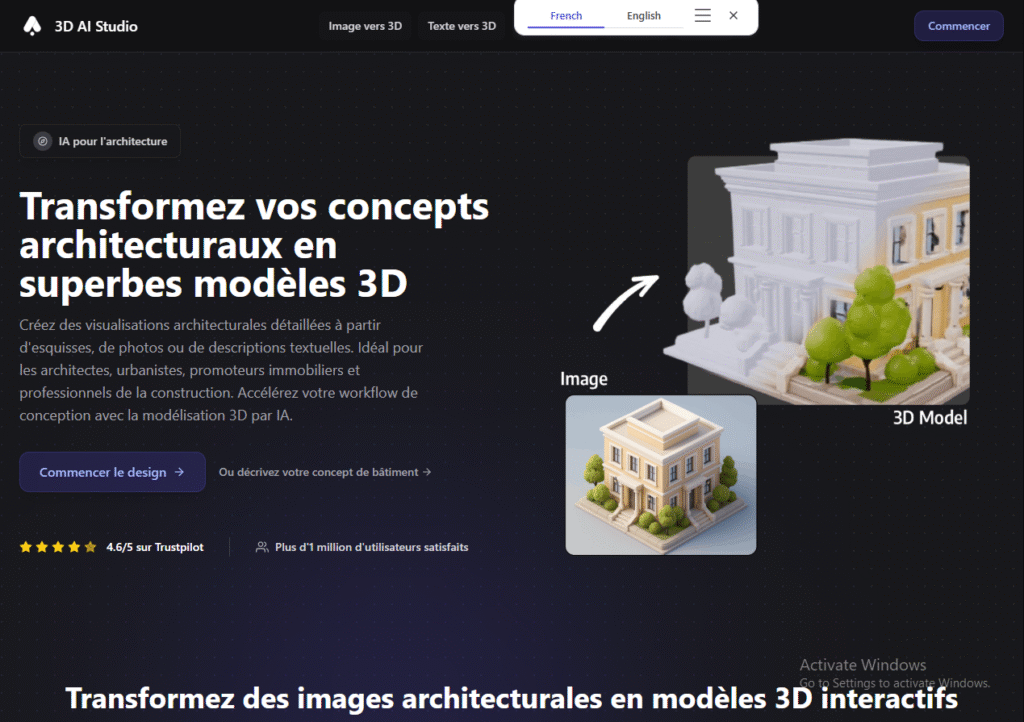
A key innovation leading this transformation is visualisation 3D IA , which empowers developers to design intelligent and adaptive gaming environments. By combining data-driven insights with realistic 3D visualization, casinos can create spaces that maximize efficiency while delivering unforgettable player experiences.
The Evolution of Casino Strategy
From Gaming Venues to Experience Hubs
Traditional casinos focused primarily on gaming activities. However, modern casinos have expanded their offerings to include:
- Entertainment shows
- Fine dining experiences
- Luxury accommodations
This shift has transformed casinos into comprehensive entertainment destinations.
The Importance of Design Innovation
Design has become a key differentiator in the casino industry. A well-designed environment not only attracts players but also enhances their overall experience, leading to increased loyalty and revenue.
The Role of 3D Intelligence in Casino Development
Realistic Design Simulation
3D technology allows developers to create highly detailed simulations of casino environments. These simulations help in:
- Visualizing layouts before construction
- Testing different design concepts
- Identifying potential improvements
Enhanced Decision-Making
Stakeholders can interact with 3D models to make informed decisions, reducing the risk of costly errors.
Continuous Optimization
3D models can be updated in real time, enabling continuous improvement and innovation.
Artificial Intelligence in Casino Strategy
Data-Driven Insights
AI systems analyze player behavior, providing valuable insights that inform design and operational decisions.
Predictive Modeling
By predicting player preferences and trends, casinos can adapt their offerings to meet evolving demands.
Operational Efficiency
AI-driven automation streamlines processes, reducing costs and improving overall efficiency.
Designing for Maximum Engagement
Interactive Gaming Environments
Modern casinos incorporate interactive elements that encourage player participation and exploration.
Personalized Experiences
AI enables casinos to tailor experiences based on individual preferences, enhancing satisfaction and loyalty.
Emotional Connection
Design elements are carefully crafted to evoke emotions, creating a memorable and engaging experience.
Integration of Cutting-Edge Technologies
Virtual Reality (VR)
VR technology provides immersive gaming experiences, allowing players to interact with virtual environments.
Augmented Reality (AR)
AR enhances the physical environment by adding digital overlays, creating a unique gaming experience.
Cloud-Based Systems
Cloud technology enables scalability and flexibility, allowing casinos to adapt to changing demands.
Sustainability and Smart Design
Energy Efficiency
Modern casinos are adopting energy-efficient systems to reduce their environmental impact.
Sustainable Materials
Eco-friendly materials are increasingly being used in construction and design.
Smart Resource Management
AI systems optimize resource usage, minimizing waste and reducing operational costs.
Business Impact of Advanced Design
Increased Revenue
Optimized layouts and engaging environments lead to higher player retention and increased spending.
Strong Brand Identity
Innovative design helps casinos establish a unique identity and attract a loyal customer base.
Competitive Advantage
Casinos that embrace advanced technologies gain a significant edge in the market.
Challenges in Implementing Advanced Strategies
High Costs
The integration of AI and 3D technologies requires significant investment.
Technical Expertise
Specialized skills are needed to design and manage advanced systems.
Regulatory Constraints
Casinos must comply with strict regulations, which can vary by region.
Future of Casino Innovation
Smart Casinos
The concept of smart casinos, powered by AI and IoT, is becoming a reality.
Hyper-Personalization
Future casinos will offer highly personalized experiences tailored to individual players.
Global Expansion
Digital platforms will enable casinos to reach a global audience, expanding their market reach.
Conclusion
The casino industry is entering a new era of innovation, where technology and design work together to create exceptional experiences. By leveraging AI and 3D intelligence, casinos can optimize their operations, enhance player engagement, and achieve sustainable growth.
IA architecture 3D is at the forefront of this transformation, providing the tools needed to design intelligent and immersive gaming environments. As the industry continues to evolve, those who embrace these advancements will lead the way in shaping the future of casino entertainment.
The path forward is clear: innovation, creativity, and technology will define the next generation of casinos, offering players experiences that go far beyond traditional gaming.